

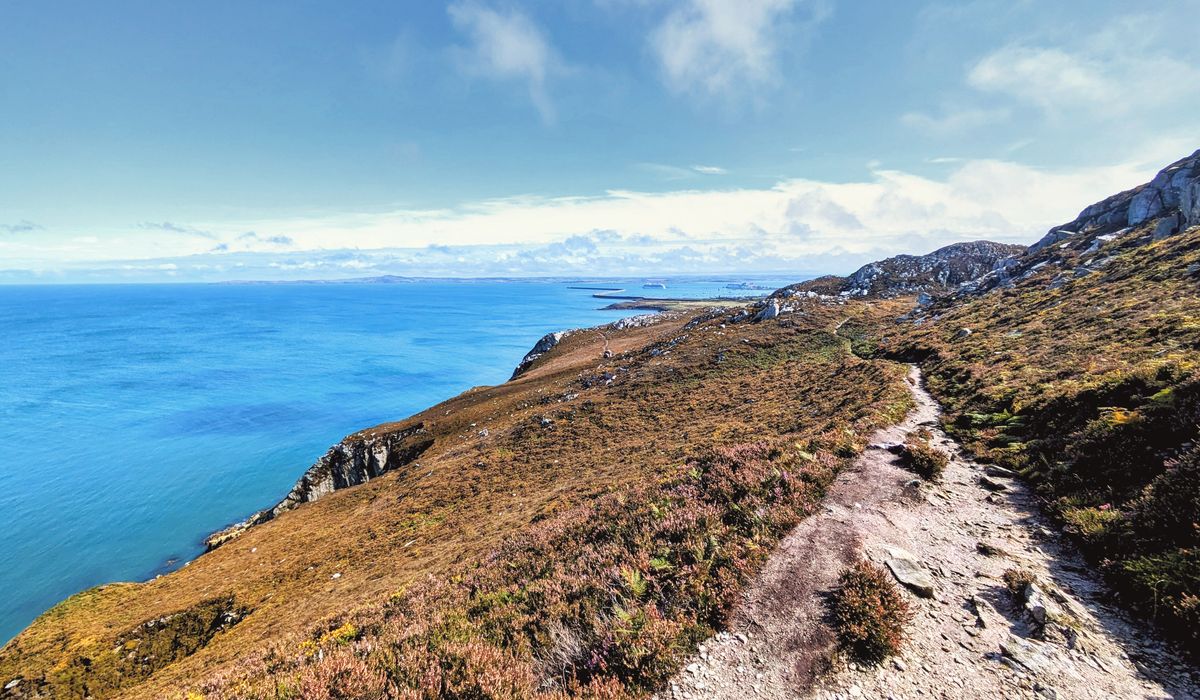
Why British Weather Demands More From Your Boots
British weather is rarely dramatic for long, but it is relentless in its variety. A morning that starts crisp and dry can turn into a drizzly afternoon, and a firm path can become a slippery ribbon of mud within an hour. You are not buying footwear for a single climate; you are buying something that handles wet grass, peaty bogs, rocky scrambles and sudden showers, often on the same walk. The right boots keep your feet dry, warm and comfortable, so you can focus on the view rather than the squelch in your socks.
Waterproof Membranes and What They Really Mean
Most boots sold for British conditions include a waterproof and breathable membrane. This thin layer stops liquid water getting in while allowing some sweat vapour to escape. It is brilliant technology, but not magic. A membrane only works if the rest of the boot supports it: the tongue must be gusseted to the top, seams must be sealed, and the upper must be treated with a durable water repellent finish. Without those details, water finds a way in.
When trying on boots, look for these features:
- Gusseted tongue: connects the tongue to the upper, keeping water and debris out at the laces.
- Sealed seams: stitching taped or treated so water cannot seep through.
- Full-grain leather or robust synthetic upper: leather is naturally water-resistant and durable; synthetics are lighter and dry faster.
- A high collar: useful for puddles and keeping grit out on sandy or stony paths.
No boot is fully waterproof if you stand in a stream deeper than the collar. For most UK walking, though, a well-made waterproof boot keeps you dry through hours of rain and wet undergrowth.
Fit and Comfort: The Foundation of Any Walk
You can spend a fortune on the most technical boot available, but if it does not fit, it will ruin your day. British trails are uneven, with roots, rocks and boggy patches that demand sure footing. Your heel should be locked in place so it does not lift and rub, but your toes need room to wiggle and to avoid banging on descents. Try boots on late in the day when your feet are slightly swollen, and wear the socks you plan to walk in.
Lacing matters too. A two-zone system lets you keep the lower section snug and the upper flexible, helping on both uphill and downhill sections. Adjust laces properly every time. Consider the seasons: thicker socks change the fit, so if you walk year-round, you might need a boot that accommodates extra volume without becoming sloppy.
Soles and Grip: Staying Upright on Mud and Rock
The sole is where the rubber meets the trail, and British terrain is famously varied. You need deep lugs to bite into mud and soft grass, but also a rubber compound that stays sticky on wet rock. Look for lugs around 4 to 5 millimetres deep for general hillwalking, arranged to clear mud as you walk.
Consider stiffness as well. A stiffer midsole with a shank supports your foot on rocky ground and reduces fatigue, while a more flexible sole is comfortable on lowland paths. For most UK walking, a mid-stiff boot is the best compromise. If you plan serious fell terrain or winter conditions, you may want a stiffer boot that accepts crampons, but for the majority of walks a versatile three-season boot is ideal.
Materials and Maintenance: Making Boots Last
Leather and synthetic boots each have their place. Leather is breathable, durable and moulds to your foot over time, but needs regular cleaning and reproofing. Synthetics are lighter, require less breaking in, and dry faster, but can be less abrasion-resistant over many years. Whichever you choose, a little care goes a long way. Mud is abrasive and clogs leather pores, so rinse boots after every walk and let them dry naturally, away from radiators or direct heat.
A simple after-walk routine keeps boots performing:
- Rinse off mud and grit with clean water.
- Remove insoles and laces if soaked, and dry separately.
- Reproof leather with wax or conditioner; use spray-on treatment for synthetics.
- Stuff boots with newspaper to absorb moisture and hold their shape.
- Store in a cool, dry place, not a damp shed or hot airing cupboard.
Well-maintained boots last many seasons, which makes the initial investment easier to justify.
Matching Boots to Your Adventures and the Seasons
Think honestly about the walking you do most often. If your adventures are mostly lowland paths, woodland trails and coastal walks, a lightweight waterproof boot or robust mid boot is perfect. If you are drawn to hills, peat bogs and rocky summits, choose a stiffer boot with a protective rand and a reliable membrane. For winter, you may need a warmer, stiffer boot and possibly crampons, but that is a specialist purchase. Many walkers find one good three-season boot covers 90 per cent of UK walks, with a lighter pair for summer and a technical pair for winter.
The best boot is the one that fits your feet and your favourite kind of day out. Try several pairs, walk around the shop, and trust the feel over the label.





John Doe
14 January, 2022Having no content in post should have adverse..
Chauffina Carr
10 April, 2022We use these tests all time! Killer stuff!
Jim Séchen
16 July, 2022Thanks for all the comments, everyone!